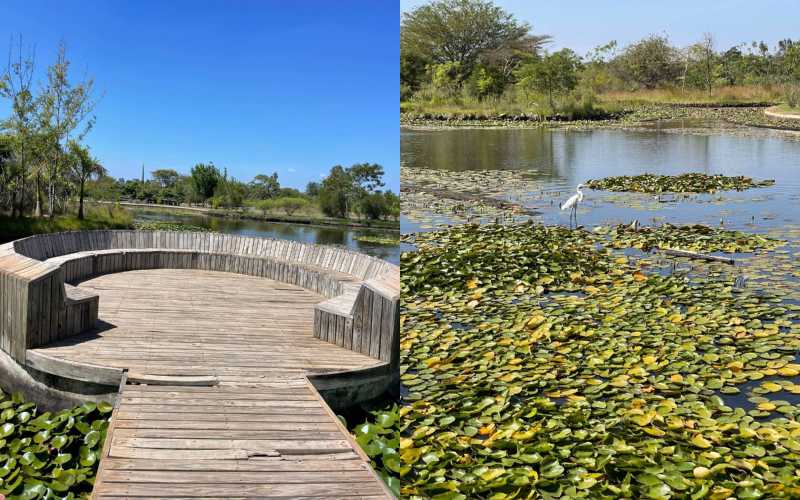
In this article, we will explore the entry fees for the Sajorec Botanical Garden, located within the main campus of Jomo Kenyatta University of Agriculture and Technology (JKUAT) in Juja, Kiambu County, Kenya. Sajorec Botanical Garden covers an area of 40 acres and is home to a diverse range of trees and birds. The garden was established in 2013.
In early 2011, Jomo Kenyatta University of Agriculture and Technology (JKUAT) and the Wuhan Botanical Garden, part of the Chinese Academy of Sciences (WBG, CAS), signed a memorandum of association focused on biodiversity conservation and research. Following this agreement, a proposal was created to establish the JKUAT Botanical Garden and the Joint Sino-African Research Center on the JKUAT main campus.
Sajorec Botanical Garden
SAJOREC stands for the Sino-Africa Joint Research Center. The SAJOREC Botanical Garden is more than just a collection of plants; it is a hub for scientific research, conservation, and ecological education. This stunning space combines African and Chinese botanical expertise, creating a bridge between two rich ecosystems and providing a living laboratory for biodiversity preservation.
Unlike conventional botanical gardens that are designed mainly for aesthetic purposes, the SAJOREC Botanical Garden serves a greater mission. It plays a vital role in Africa’s efforts to combat climate change, biodiversity loss, and food insecurity. Scientists and researchers utilize this garden to study rare and medicinal plant species, conduct conservation projects, and develop sustainable agricultural practices.
Sajorec Botanical Garden, home to over 100 species of plants and flowers, is a paradise for nature lovers. Enjoy a stroll along the winding paths and discover unique flora from around the world. From vibrant orchids to towering palm trees, you’ll find something beautiful at every turn.
The garden is not only a visual delight but also a sanctuary for local animals and insects. Keep an eye out for colorful butterflies flitting from flower to flower and listen to the cheerful chirping of birds perched in the trees. It’s truly a paradise for nature enthusiasts!
Whether you’re looking to spend a relaxing afternoon surrounded by nature or seeking inspiration for your garden, Sajorec Botanical Garden has something for everyone. Pack a picnic and enjoy a peaceful lunch on the grass, or simply find a quiet spot to read a book and soak in the serenity of your surroundings.
Sajorec Botanical Garden Entry Fees
If you are a JKUAT student and possess a school identification card, you will be required to pay a fee of Ksh 50 through M-PESA. Please note that cash payments are not accepted. For visitors to the Sajorec Botanical Garden, the entrance fee is Ksh 200 for adults and Ksh 100 for children.
Visitors must enter through the JKUAT main gate, where they will be required to present an identification card and leave it at the gate before proceeding towards the Sajorec Botanical Garden.
| Category | Charges (Ksh) |
|---|---|
| JKUAT Students | 50 |
| Adults | 200 |
| Children | 100 |
| Professional Photography | 1000 |
| Students from Other Universities | 100 |
NOTE:
- There is a beautiful Lily Lake
- Perfect for picnics, weddings, events, and parties
- No fishing or bicycles allowed
- It is a lovely place for a photoshoot
Sajorec Botanical Garden Opening Hours
The main advantage of Sajorec is that it is wheelchair accessible and opens at 9:00 am from Monday to Saturday.
Sajorec Botanical Garden Contacts
For more information, please call Samuel at 0722179739
Frequently Asked Questions
1. What features does JKUAT SAJOREC Botanical Garden offer?
The garden offers a wide variety of plants, scenic pathways, water lilies, and a lily pond, providing a peaceful environment for visitors.
2. What is the entrance fee for the venue?
The entrance fee is lower for students, making it an affordable recreational venue for those looking to enjoy nature.
3. Are there facilities available for photography at the venue?
Yes. The botanical garden provides a conducive ambiance for photography, allowing visitors to capture the beauty of nature.
4. Is the venue suitable for relaxing walks?
Yes. The extensive pathways and serene surroundings make the venue ideal for therapeutic and relaxing walks among various plant species.
5. Can visitors expect to see any wildlife at the venue?
Yes. Visitors may encounter various birds and ducks throughout the gardens, enhancing their experience in this natural setting.
